
Authenticity Over Perfection: Lessons From My Own Speaking Journey
Reflections on finding strength in imperfection and speaking to serve others

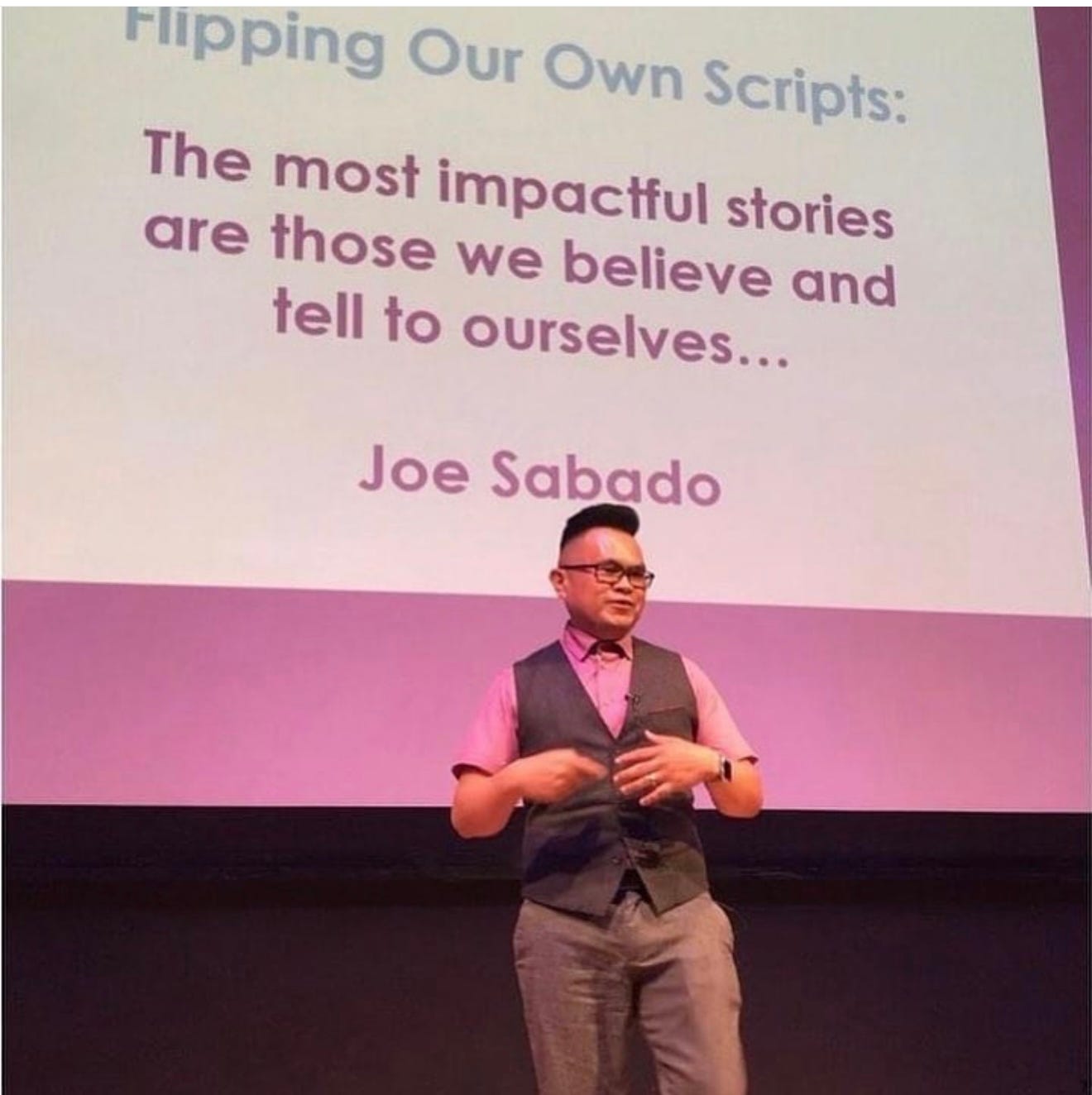
When I reflect on my journey as a speaker, one theme rises above all others: authenticity and vulnerability have been the qualities that resonate most with those who have listened to me or worked alongside me.
I’ll admit, my speaking style has never been for everyone, and I am ok with that. Over the years, I’ve been advised more than once to change how I communicate. Slow down, sharpen my delivery, refine my grammar. For a long time, I believed I wasn’t effective because of my stuttering, my “fresh off the boat” accent when I first arrived in the U.S., and a delivery that didn’t feel polished.
Because of these insecurities, I often asked people for honest feedback. I asked students I’ve mentored, mentors I’ve trusted, colleagues, and even classmates from UCSB and high school. The answers surprised me.
A common message emerged:
“You’re authentic, and you share your vulnerability. People believe you because of your sincerity.”
“I don’t remember the exact words you said, but I remember how you said them. That stayed with me.”
Some even told me that what stuck with them were the off-the-cuff, sincere comments I made in the moment, often unrelated to the main topic. Those spontaneous, honest remarks were what they remembered years later.
What I had always thought of as weaknesses, my imperfect delivery, my stutter, my accent, were the very things that made me memorable and trustworthy to others.
Speaking With Purpose
Another realization I’ve had is that when I speak, it has always been for a purpose and not about me. For years, I’ve spoken as a motivational speaker to high school students, many from underserved and marginalized communities. That sense of purpose makes it easier. I know that even if my message or experience resonates with just one person in the room, the effort is worth it. Speaking with the hope of making an impact, however small, gives me the courage to face the fear and share my story.
Feedback and Growth
This doesn’t mean I dismissed constructive advice. Some of the hardest feedback I received turned out to be the most valuable. I still remember one person telling me directly that I needed to improve my enunciation and slow down the pace of my speech. That wasn’t easy to hear, but it was true. The very next day, I signed up for a voice lesson.
That moment shifted something in me. I realized that I didn’t need to trade authenticity for skill. I could grow in delivery while staying true to who I am. I could improve my clarity without sacrificing sincerity.
The Roots of My Fear
What makes this journey personal for me is that for much of my life, I lived with an extreme fear of public speaking. When I first came to the U.S. at age 11, I was bullied for my accent and my stuttering. I carried that shame for years. In high school, I would pretend to be sick to avoid reading book reports aloud. Even when I graduated as salutatorian, I dreaded the speech more than I celebrated the honor.
For decades, the idea of speaking in front of people brought anxiety. And yet, over time, those same struggles became the source of strength people connected with.
What Resonates With Others
The feedback I continue to hear is that people don’t always remember the exact details of my talks. What they remember are the moments of sincerity, how I said something, or even an unplanned remark that revealed honesty and vulnerability. They remember the way they felt. They remember seeing someone who wasn’t trying to be perfect, but who was honest, present, and willing to share vulnerabilities.
A Lesson for Others
If you struggle with speaking or feel pressure to polish yourself into someone you are not, here is what I’ve learned:
People connect more with sincerity than perfection.
Authenticity lasts longer than flawless delivery.
Speaking with purpose, not performance, makes the fear lighter.
Even if your words impact only one person, that is enough.
In the end, what resonates most is not how polished you sound, but how real, sincere, and purposeful you are.
Note: The perspectives shared are personal and do not reflect official positions of my employer.